The Power of Protein: Why Women Need It at Every Age


Why Protein Is Essential for Women’s Health
Dietary protein is a fundamental macronutrient composed of amino acids that serves as the primary building block for tissues, hormones, and enzymes. By supporting muscle protein synthesis and metabolic function, consistent protein consumption helps regulate blood sugar and maintain lean muscle mass. Maintaining an optimal daily protein intake promotes longevity for women while supporting weight management, hormonal balance, and the structural integrity of skin, hair, and nails. Understanding why protein is essential for women’s health is the first step toward better metabolic function.
Key Takeaways
- Protein serves as a critical macronutrient for building tissues, hormones, and essential enzymes in women.
- Optimal protein intake supports muscle mass maintenance, metabolic health, and overall longevity for all women.
- Daily protein requirements increase significantly during pregnancy, active phases, and throughout menopause for women.
- Adequate protein consumption helps mitigate common symptoms associated with declining estrogen and progesterone levels.
- Plant-based protein supplements offer a convenient way to meet daily nutritional goals and manage cravings.
How Protein Requirements Change During Women’s Life Stages
But how much protein do women really need?
The answer, of course, is: it varies based on what stage of life you’re in! Some studies state that 0.7-1.0 grams per pound of body weight is the ideal number to aim for; however, for especially active women, pregnant women, and women in peri-menopause or menopause, that number climbs to roughly 1.3.
As women age, bone density decreases. The solution? Building muscle to help keep your bones healthier, for longer. Pregnancy can deplete your muscle mass and requires significantly more support for tissue growth, amino acids, and blood supply. Protein provides the amino acids necessary to support these physiological changes. And women over 40 experience lower levels of hormones such as estrogen and progesterone. Protein provides the essential amino acids necessary to mitigate symptoms of declining estrogen and progesterone in women over 40, such as metabolic fluctuations and mood changes.
So, let’s talk about how to help you get the protein you need!
The Role of Plant-Based Protein Powders in Daily Nutrition
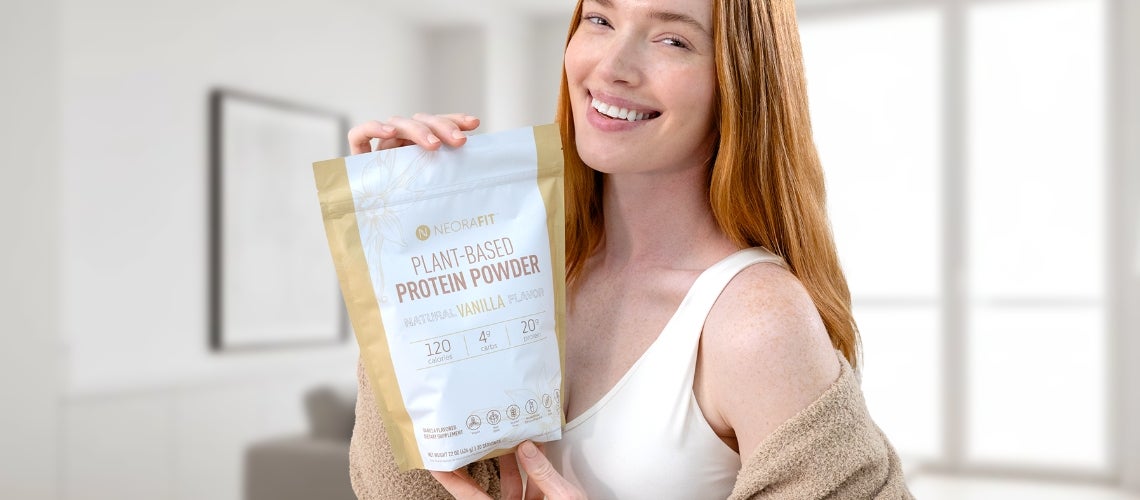
When you hear “protein powder,” it’s easy to only picture those intimidatingly large jars advertised for overly-muscled men pumping iron in the gym. But that couldn’t be further from the truth! Protein powder is a nutritional supplement designed to fuel the body throughout the day, and our NeoraFit Plant-Based Protein Powder is formulated specifically for women seeking sustainable strength.
Our powder uses high-quality plant proteins: pumpkin seeds for fiber, chia seeds for antioxidants, pea protein to help keep you fuller for longer, and hypoallergenic brown rice that’s jam-packed with the protein you need to support your metabolism and your goals.* You’ll also get your daily dose of amino acids, vitamins, and minerals like iron and calcium, all in an easily digestible powder that tastes great in smoothies, baked goods, or good old-fashioned water.
The bonus? It’s delicious, it’s vegan, and it’s only 120 calories, so you can curb your cravings, manage your fitness goals, and feel great about yourself the whole time.*
They call protein the “building block of life,” and yet it’s so often overlooked and undervalued if you’re not an athlete. Making protein a part of every meal will help you stay full, healthy, and hormonally balanced as you age, and our plant-based powder is the perfect ready-to-go addition to your diet — no heavy weights or athletics required!
Frequently Asked Questions
Why protein is essential for women’s health throughout different life stages?
Protein is essential for women’s health because it provides amino acids necessary for tissue repair, muscle maintenance, and hormonal regulation. As women age or experience pregnancy, increased protein intake supports bone density and mitigates metabolic fluctuations. Consistent consumption ensures the body has the building blocks required for long-term physiological stability.
How does protein intake affect hormonal balance in women?
Protein supports hormonal balance by providing amino acids that help regulate metabolic function and mood. For women over 40, adequate protein intake helps mitigate symptoms caused by declining estrogen and progesterone levels. This macronutrient acts as a foundational element for maintaining systemic health during significant hormonal shifts throughout life.
What are the benefits of using plant-based protein powder?
Plant-based protein powder provides a convenient, high-quality source of amino acids, fiber, and essential minerals like iron and calcium. These supplements help women manage fitness goals, curb cravings, and support metabolism without excessive calories. Using plant-based sources ensures sustainable strength and nutritional support for busy, active daily lifestyles.
How much protein should women consume daily for health?
Daily protein requirements for women typically range from 0.7 to 1.0 grams per pound of body weight. Active women, pregnant women, and those in peri-menopause or menopause may require up to 1.3 grams per pound. Individual needs vary based on activity levels, metabolic goals, and specific life stages experienced.
These statements have not been evaluated by the Food and Drug Administration. This product is not intended to diagnose, treat, cure or prevent any disease.
